
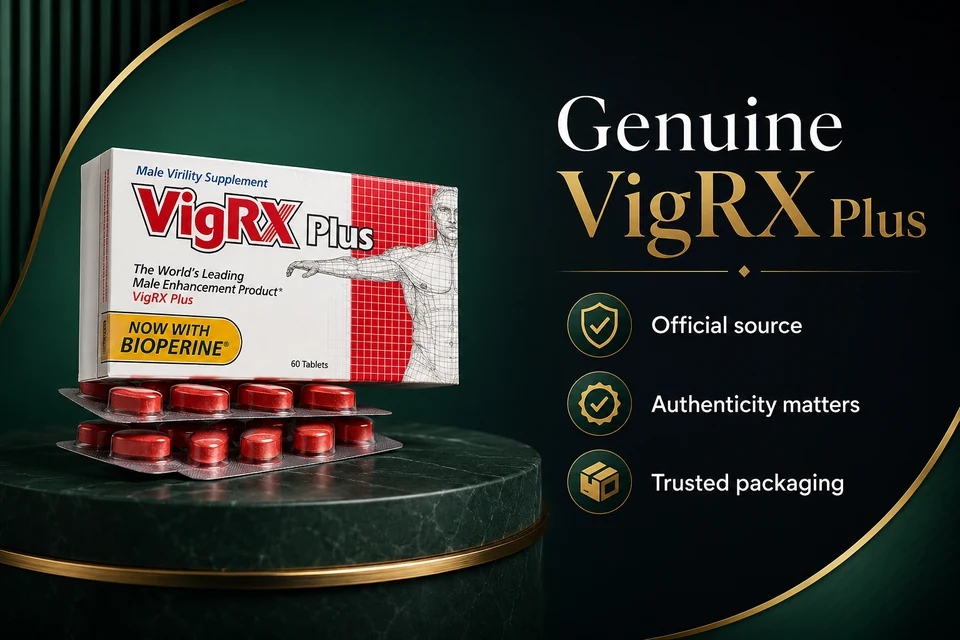
Why authenticity matters
Authenticity matters because male enhancement supplements are often copied, relabeled, or promoted through aggressive pages. A counterfeit or unclear product may contain unknown ingredients, poor labeling, broken seals, or unsafe marketing claims. Even when a product is genuine, it still must be used responsibly.
This checklist is meant to help buyers slow down before ordering VigRX Plus pills online. It does not verify any seller automatically, but it gives you a practical process for spotting weak buying signals.
Buyer safety rule: Do not buy only because a page looks urgent, cheap, or highly promotional. Verify the seller and product details first.
Genuine product checklist
- Check the product name and branding
- Check manufacturer or seller details
- Check bottle count and serving details
- Check packaging and seal information
- Review refund and shipping terms
- Confirm secure checkout
- Look for responsible supplement language
Red flags when buying online
Red flags do not always prove a product is fake, but they do mean a buyer should be careful. The more red flags appear together, the less confidence you should have in the listing.
- Unrealistically cheap price
- Immediate-effect claims
- Permanent size-change claims
- No company information
- Pressure timers and fake scarcity
- No refund policy
- No clear label or bottle details
Suspicious claims to avoid
Avoid sellers making disease-cure claims, guaranteed sexual-performance promises, prescription-drug comparison claims, or safe-for-everyone claims. Responsible supplement sellers should explain realistic use, safety considerations, and the difference between supplements and medication.
Marketplace caution
Large marketplaces may include third-party sellers with different quality controls. Check seller history, return policy, packaging images, and customer support details. If the listing is vague or the seller seems unrelated to the brand, keep researching.
What to do before ordering
| Step | Action |
|---|---|
| 1 | Read the product label and serving directions. |
| 2 | Confirm the seller and checkout domain. |
| 3 | Compare bottle count, package quantity, and refund terms. |
| 4 | Look for safety warnings and responsible language. |
| 5 | Ask a healthcare professional if medication or a health condition is involved. |
What to do if something looks wrong
If packaging looks damaged, the seal appears broken, the bottle does not match the listing, or the seller avoids support questions, do not use the product until you have resolved the concern. Keep order records, screenshots, receipts, and seller communication.
Next steps: read the safe buying guide, review the ingredient guide, or open the FAQ.
Detailed authenticity review
Authenticity review starts before checkout and continues when the package arrives. Before checkout, review the listing and seller. After delivery, review the physical product. If the listing and package do not match, pause before use.
| Stage | What to check |
|---|---|
| Before checkout | Seller identity, product images, refund policy, privacy terms, and claim quality. |
| At delivery | Seal, bottle count, label, packaging condition, and order paperwork. |
| Before use | Serving directions, warnings, ingredient list, and expiration information if available. |
| If concerned | Contact the seller, keep photos, and do not use the product until concerns are resolved. |
Examples of weak buying signals
Weak signals include copied product images, missing contact information, generic supplement descriptions, unclear package quantities, pressure timers, refund terms that are hard to find, and claims that sound like drug promises. One weak signal may be explainable. Several weak signals together suggest caution.
Privacy and discretion checks
Some buyers care about privacy when ordering male wellness products. Check privacy terms, billing descriptors, shipping descriptions, and customer support policies. Do not assume discretion unless the seller explains it clearly.
Checklist summary
- Verify before buying
- Inspect before using
- Keep order records
- Avoid unclear sellers
- Avoid extreme claims
- Seek professional guidance when health factors are involved
Counterfeit-risk decision tree
Use a simple decision tree before buying. If seller identity is unclear, stop and verify. If the label is missing, stop and request details. If the claims sound like a drug promise, stop and look for a more responsible source. If the refund terms are vague, stop and read the policy before checkout.
| If you see this | Best response |
|---|---|
| No seller information | Do not buy until seller identity is clear. |
| No product label or bottle details | Request details or choose a clearer source. |
| Extreme performance claims | Treat the page as high risk. |
| Unusually low price | Check authenticity and refund terms carefully. |
| Broken or suspicious packaging | Do not use until the issue is resolved. |
Genuine product mindset
Authenticity is not one single detail. It is the pattern of seller transparency, product labeling, realistic language, secure checkout, refund clarity, and packaging consistency. A careful buyer looks at the whole pattern rather than one claim.
When to walk away
Walk away when a seller pressures you, hides basic information, refuses to answer questions, or makes claims that sound too strong for a dietary supplement. A missed discount is less costly than buying a questionable product.
Authenticity troubleshooting
If you already ordered and something feels wrong, document the issue before taking action. Save the order confirmation, take clear photos of the package, bottle, label, seal, and shipping paperwork, and contact the seller through the official support channel listed in the order details. Avoid using the product until the concern is resolved.
- Save the order confirmation
- Photograph the package and bottle
- Check the seal and label
- Contact seller support
- Review refund terms
- Do not use the product if authenticity is uncertain
Why wording is an authenticity clue
Authentic-looking packaging is not the only clue. The wording on the sales page also matters. A responsible supplement listing should use careful support language, explain safety limits, and avoid claims that sound like prescription drug promises. Extreme wording is a trust problem even before the package arrives.